
CCTV Installation Adelaide.
Camera systems planned around the specific points where your property is actually vulnerable. Four cameras in the right places beat twelve in the wrong ones, and cost considerably less.
Most systems fail at exactly the wrong moment.
Plenty of properties have cameras. Far fewer have footage that identifies anyone. The failures are consistent and every one of them is a design decision made badly.
Cameras mounted too high
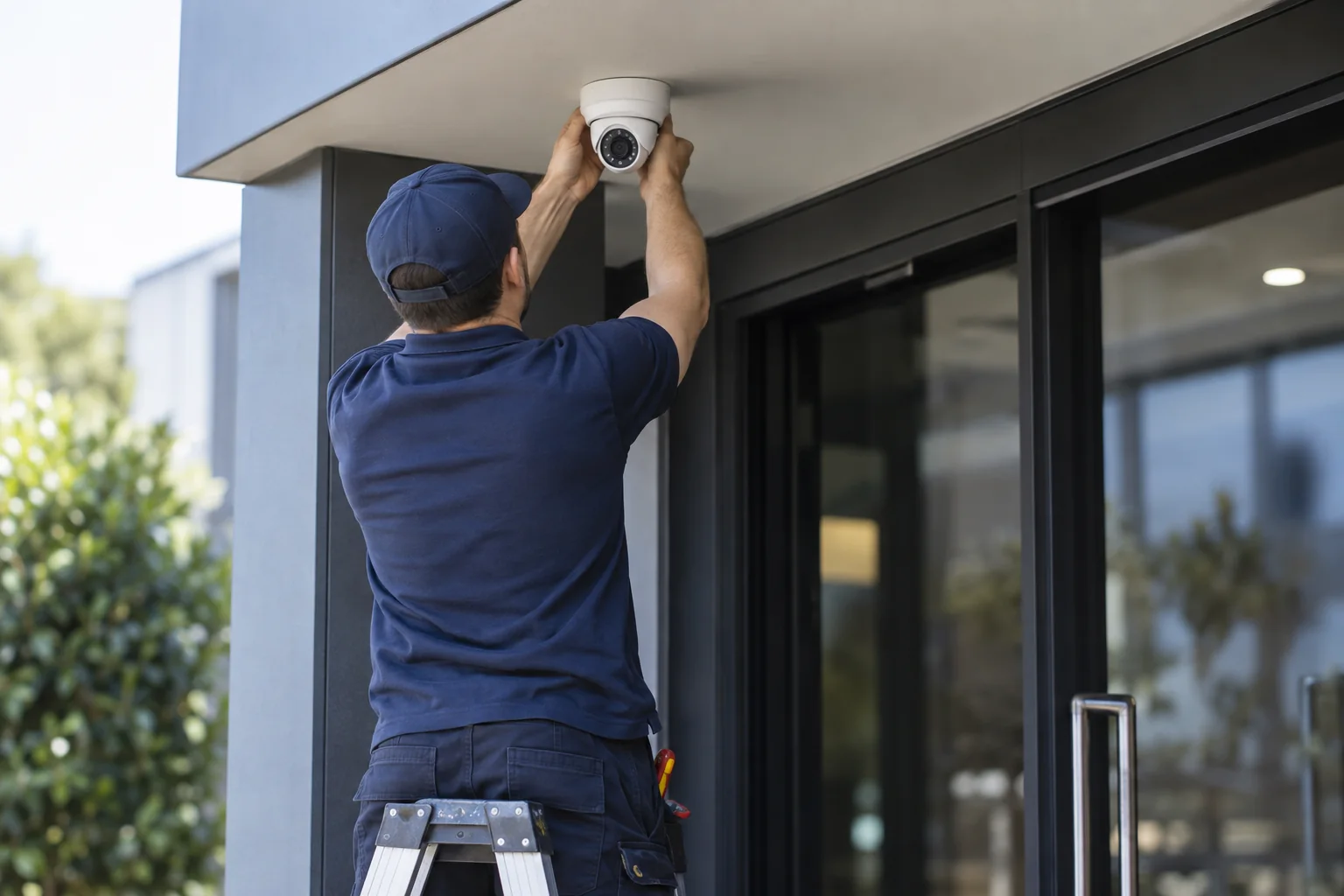
A camera under the eaves gives a lovely view of the tops of heads. Identification needs a camera at roughly face height on the path people must walk, usually a doorway or a gate, even if wide-area cameras sit higher.
One camera asked to do two jobs
Overview and identification are different tasks. A wide shot covering a whole yard cannot also resolve a face at the gate. The usual answer is one camera framed tight on the entry point, plus others for context.
Backlighting
A camera pointed at a bright doorway records a silhouette. This is the single most common fault we see, and it is fixed by repositioning or by a sensor with proper dynamic range, not by buying more megapixels.
Retention too short
Incidents are often noticed days later. If the recorder overwrites in three days, the footage is gone before anyone looks. Retention is a storage decision made at install time.
The recorder was stolen too
A recorder sitting under the television in the room that gets ransacked takes the evidence with it. It belongs somewhere secured, or replicating off site.
Placement first
Where cameras go is worth more than what they cost. That is where the design effort goes.
Night performance
Most incidents are after dark. Low-light capability matters more than daytime resolution.
Usable playback
You must be able to find and export a clip under stress. We show you how before we leave.
Secured recorder
Stored where an intruder cannot simply carry the evidence out with them.
What you may and may not record.
Cameras point at people, so there are rules. This is a plain-language summary, not legal advice.
Surveillance and privacy obligations vary by circumstance and change over time. We will design a system to avoid the obvious problems and flag anything that looks like it needs a closer look, but for a workplace or anything contested, check the current requirements or take advice.
Where the camera goes decides what you get.
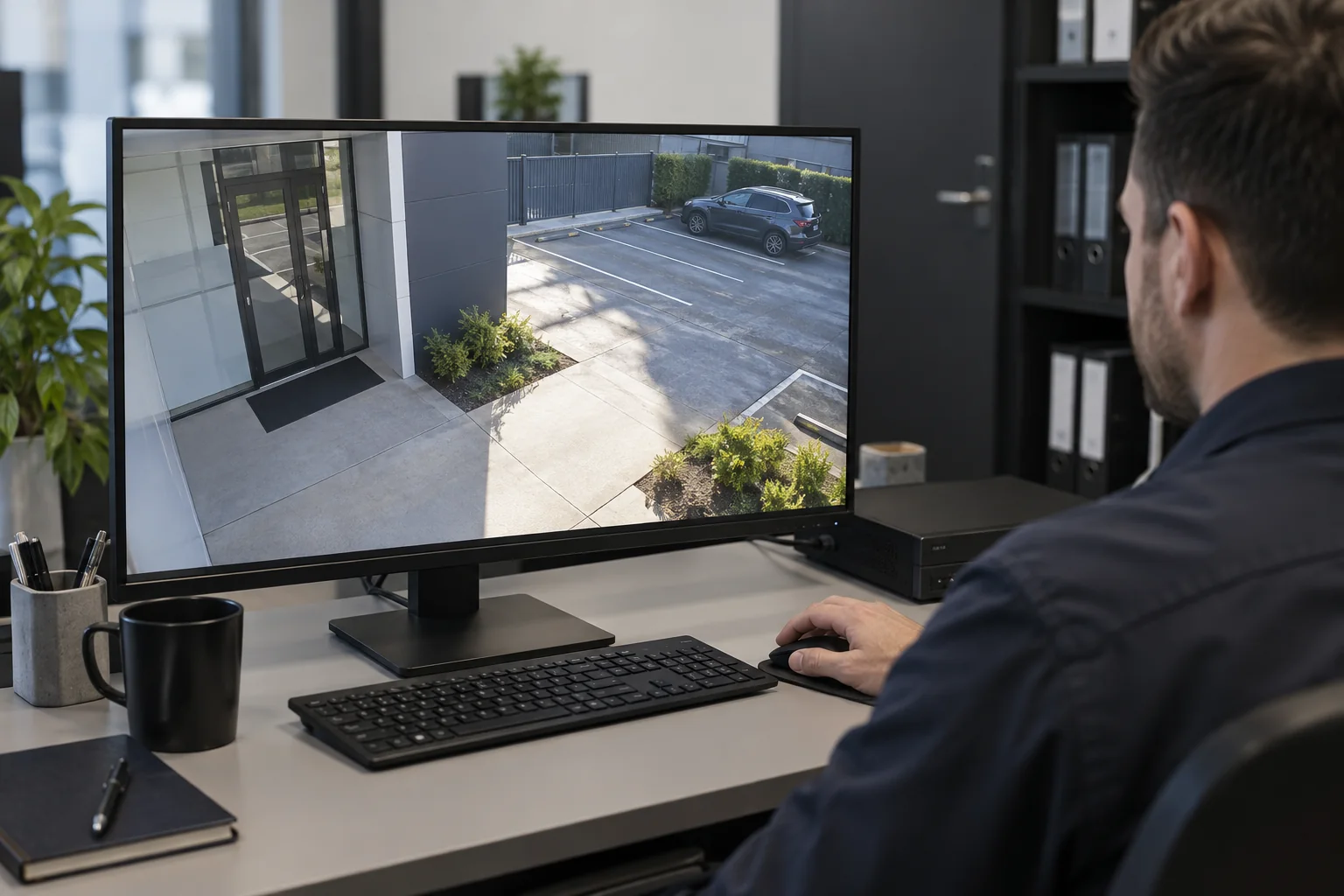
Height, angle and lighting do far more for identification than resolution ever will. Cameras are positioned against the paths people have to walk, not the corners that are easy to reach.
Before you buy a kit.
Tell us the property type and what you are most worried about, and the design follows from that.
Discuss coverageHow many cameras do I need?
Fewer than most packages suggest. It is determined by the number of genuine approach and entry points, not the size of the building. A typical house has two or three that matter. Packages are sold in fours and eights because that is how recorders are built, not because that is what properties need.
Do more megapixels mean better evidence?
Only up to a point. Beyond a sensible resolution, lens choice, positioning, lighting and low-light performance matter far more. A well-placed moderate-resolution camera produces better identification than a high-resolution one aimed across a car park into the sun.
Can I view it on my phone?
Yes, remote viewing is standard. It is worth changing default passwords and keeping firmware current: remotely accessible cameras left on factory credentials are a well-known weak point, and that is a configuration issue rather than a product flaw.
How long is footage kept?
It depends on storage, camera count, resolution and whether recording is continuous or motion-triggered. Decide the retention you want first: a fortnight is a common baseline, and the storage is sized to deliver it, rather than accepting whatever the box happens to manage.
Will cameras stop a break-in?
Visible cameras deter some opportunists, but their real value is evidence and awareness after the fact. Cameras do not physically stop anyone. Prevention comes from locks, doors and lighting: CCTV tells you what happened and helps identify who.
Can you work with cameras I already have?
Often, depending on the type and condition. Sometimes the sensible move is keeping the existing cameras for overview and adding one properly positioned camera for identification, which is a much smaller job than replacing everything.
Layers around the camera.
CCTV records. These prevent, detect and control.
Alarm systems
Detection and alerting, so someone knows while it is happening.
02Access control
An entry log to pair with the footage, so events have names as well as pictures.
03Commercial locksmith
The physical layer that actually keeps people out.
04Residential locksmith
Home security where the lock and the door do most of the work.
Tell us what you need secured.
Call for urgent locksmith assistance or send the details of a residential, commercial, automotive or electronic security enquiry.